Signs of Bloat in Dogs — A Life-Threatening Emergency

Signs of Bloat in Dogs — A Life-Threatening Emergency
Bloat in Dogs (GDV): Recognizing This Life-Threatening Gastrointestinal Emergency
If you are reading this article, it is likely because something about your dog has changed dramatically—perhaps sudden lethargy, noticeable abdominal distention, or a persistent gagging sound. The worry that washes over a pet owner when their beloved companion acts strangely can be overwhelming and terrifying. It’s completely natural to feel helpless and desperately search for answers in the middle of the night.
Please know that recognizing potentially fatal conditions like bloat is frightening, but knowledge is your most powerful tool right now. Gastric dilatation-volvulus (GDV), commonly known as bloat, is not simply gas buildup—it is a profound medical emergency involving the stomach twisting and expanding, leading to a rapid decline in vital signs if untreated. Understanding its subtle initial signs and why immediate veterinary intervention is critical can literally save your dog’s life.
What Exactly is Bloat (GDV)?
Gastric Dilatation-Volvulus, or GDV, is a life-threatening condition where the stomach becomes massively enlarged (dilated) and/or twists upon itself (volvulus). Dogs are prone to this because their stomach, while normally resilient, can be immobilized by abdominal compression. When it dilates, gas—often trapped air and fluid—builds up pressure rapidly. If the gut wall cannot cope with this internal pressure, the stomach folds over an axis (the volvulus), cutting off blood supply, which leads to severe shock, vomiting, and organ failure.
Persistent, unproductive vomiting (gagging); sudden and dramatic abdominal distention (bloating that doesn’t go away with passing gas); extreme lethargy accompanied by pale gums or rapid heart rate.
Identifying the Warning Signs of GDV
Early detection is everything. Owners often confuse bloat symptoms with simple colic or gas, but the progression is rapid and alarming. You must look for a combination of signs, not just one.
- Vomiting:* This is often the first noticeable sign. The vomit may contain gas, bile, or stomach contents and can be persistent, sometimes without visible nausea beforehand—just a repeated effort to vomit.
- Abdominal Distention:* The belly will appear grossly enlarged, firm, and taut, like a drum. This bloating is disproportionate to the dog’s body size and does not improve with passing gas or time.
- Colic Signs (Pain):* The dog may exhibit unusual discomfort, whining, restlessness, pacing, or seeming painful when the abdomen is touched. They may also guard their belly.
- Systemic Deterioration:* As the condition worsens, signs become systemic: quick breathing (tachypnea), pale mucous membranes or gums (indicating shock and poor circulation), and profound weakness.
The sheer force and pressure involved in a volvulus can compromise blood supply to the stomach wall, leading quickly to necrosis (tissue death) and requiring immediate surgical intervention, often involving an exploratory laparotomy.
Risk Factors: Which Dogs Are Most Vulnerable?
While any dog can theoretically suffer from GDV, certain breeds and circumstances carry a significantly higher risk. Genetics and body structure play major roles.
Very High
High
Moderate
High Risk Window
Risk isn’t solely based on size; it is often related to the dog’s body mechanics and how they spend their time. Factors like deep-chested bodies, large bulk stomach capacity, and extended periods of rest after eating increase susceptibility. The combination of large chest girth and a strong predisposition for abdominal gas is particularly concerning.
When feeding dogs at home, avoid highly fibrous, large meals right before a long nap or period of intense rest. Consider splitting the meal into two smaller, more frequent feedings to reduce the acute stomach volume.
Recognizing and Managing Systemic Crisis
Once GDV progresses beyond the initial gastric phase, it becomes a full systemic crisis. At this point, the focus shifts entirely from diagnosis to stabilization. The gas and fluid are causing massive pressure on surrounding organs, including the diaphragm, lungs, and bloodstream.
The symptoms of severe shock include:
- Tachycardia (rapid heart rate).
- Hypotension (low blood pressure).
- Peripheral vasoconstriction, causing pale or bluish gums.
- Respiratory distress that worsens with effort.
If your dog is struggling to breathe, their gums look pale or blue-tinged (not pink), or if they are exhibiting signs of collapse and extreme weakness.
The Goal of Treatment: Surgical Correction
Because bloat involves mechanical obstruction and compromised blood flow, it cannot be treated with simple anti-nausea medication or antacids. The underlying structural problem—the twisting and over-filling—requires surgical management.
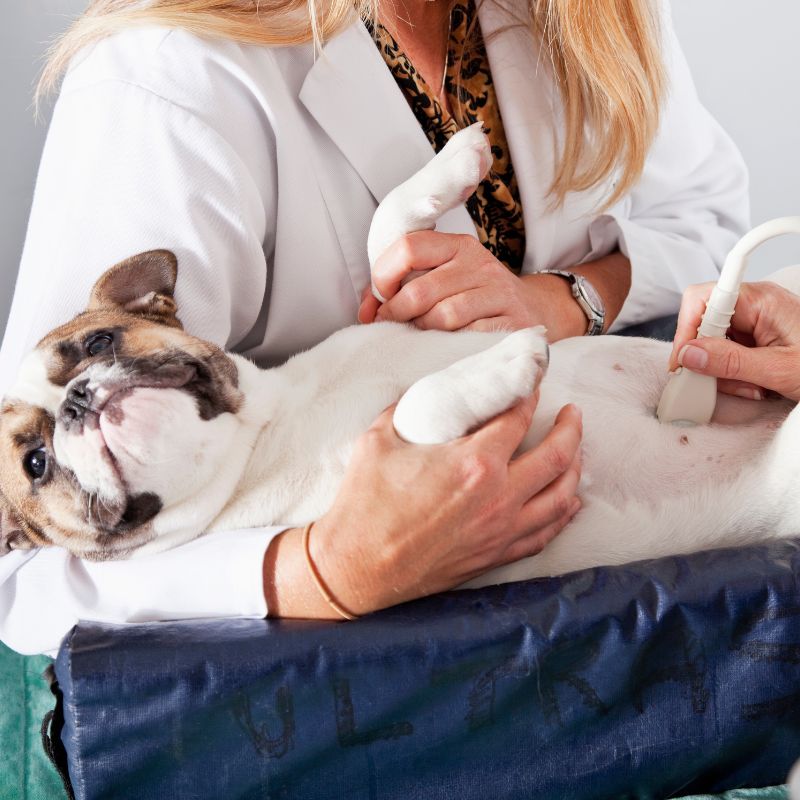
Diagnosis usually requires deep physical assessment and often abdominal radiographs or ultrasound to confirm the severity of dilation and torsion. Treatment is a surgical procedure designed to relieve pressure, remove any necrotic stomach tissue, and stabilize the gastrointestinal tract.
Preemptive surgical procedures, such as a gastropexy (suturing the stomach to the abdominal wall) or other prophylactic surgeries, can significantly reduce the risk of GDV in high-risk breeds, but these must be discussed with your veterinarian’s specialist.
Real-World Scenarios
Understanding how bloat presents in different dogs can help you recognize the signs even under stress. These are general, composite examples.
- A 7-year-old Great Dane was found by owners who noticed he was unusually rigid and unable to fully round out his belly. Initial vomiting attempts were persistent but contained minimal visible stomach contents, prompting immediate concern for underlying distress beyond simple gas.
- During an afternoon nap, a dog began repeatedly gagging, seemingly without triggering nausea. Within minutes, the abdominal distention became taut and unyielding, accompanied by signs of rapid, shallow breathing that escalated quickly into noticeable effort.
- An active Labrador retriever developed acute symptoms shortly after a large meal followed by exercise. The initial presentation involved extreme lethargy and an inability to stand comfortably while simultaneously experiencing significant bloat; the pet was clearly in severe pain from internal compression.
Do not wait for definitive symptoms. Any sudden, severe abdominal distention combined with vomiting or signs of systemic distress (like paleness) demands immediate emergency veterinary evaluation.
Related Topics
Understanding GDV is part of understanding overall canine health. Here are a few related areas that might be helpful:
- How Often Should Dogs See the Vet? Learning general preventative care schedules helps you catch subtle changes before they become critical emergencies.
- Why Does My Dog Shake or Tremble? Shaking can be a sign of pain, anxiety, or neurological issues; understanding the cause is crucial for timely intervention.
- Understanding Separation Anxiety in Dogs Anxiety can sometimes manifest physically and stress the gastrointestinal tract, making preventative care holistic.
- Guide to All 4 Veterinary Clinics in Iguatu CE Knowing which local resources are available is vital when time is of the essence.
- Can Cats Drink Milk? The Truth About Lactose Intolerance in Cats While discussing a different species, understanding common GI sensitivities is key to diet management for all pets.
- Why Does My Dog Keep Scratching? Common Causes of Itchy Skin in Dogs Chronic skin issues can contribute to overall discomfort and lead to behavioral changes that may accompany GI distress.
Frequently Asked Questions About Canine Bloat
Is bloat the same as gas buildup?
No. While bloating is characterized by excessive gas and fluid accumulation, GDV is a mechanical emergency involving the twisting (volvulus) of the stomach and intestines, which compromises blood supply and threatens life, moving far beyond simple colic or gas.
Can preventative surgery truly stop GDV?
While prophylactic surgeries like gastropexy can drastically reduce the risk for high-risk breeds, no single surgery guarantees zero chance. They significantly lower the odds but do not eliminate the inherent biological susceptibility.
Does breed matter more than lifestyle in risk?
Both are major factors. Breeds with specific anatomical predispositions (like deep chests and large girth) have higher intrinsic risks, but lifestyle choices—such as sleeping heavily right after a meal—can trigger the crisis in any susceptible dog.
Can I treat bloat at home with enemas or laxatives?
Absolutely not. Trying to manually pass gas or treating the symptoms at home when GDV is suspected can delay critical care, allowing the stomach condition to worsen rapidly and leading to irreversible tissue damage.
What happens if GDV is left untreated?
If surgery and supportive care are delayed, the swelling leads to circulatory collapse (shock), severe electrolyte imbalances, multi-organ failure (including kidney failure), and often results in death.
How quickly can GDV worsen?
The progression from initial distention to circulatory shock can be alarmingly rapid, often requiring veterinary stabilization and surgery within a matter of hours.
If you suspect your dog is experiencing signs of bloat or severe gastrointestinal distress, do not hesitate to call your veterinary emergency clinic immediately. While we can offer preventative advice and diet modifications, the only true treatment for a suspected GDV crisis is professional medical assessment and swift surgical intervention.
Keywords: canine bloat, GDV symptoms, dog bloat emergency, gastric dilatation volvulus, vet care dog bloating, signs of GI distress in dogs, large breed bloat risk, pet emergency, treating dog bloat, post-surgery care for bloated dog